Why Modern Digital Solutions are Embracing Headless Architecture
Exploring how magical realism reshaped storytelling, blending fantasy with the ordinary.
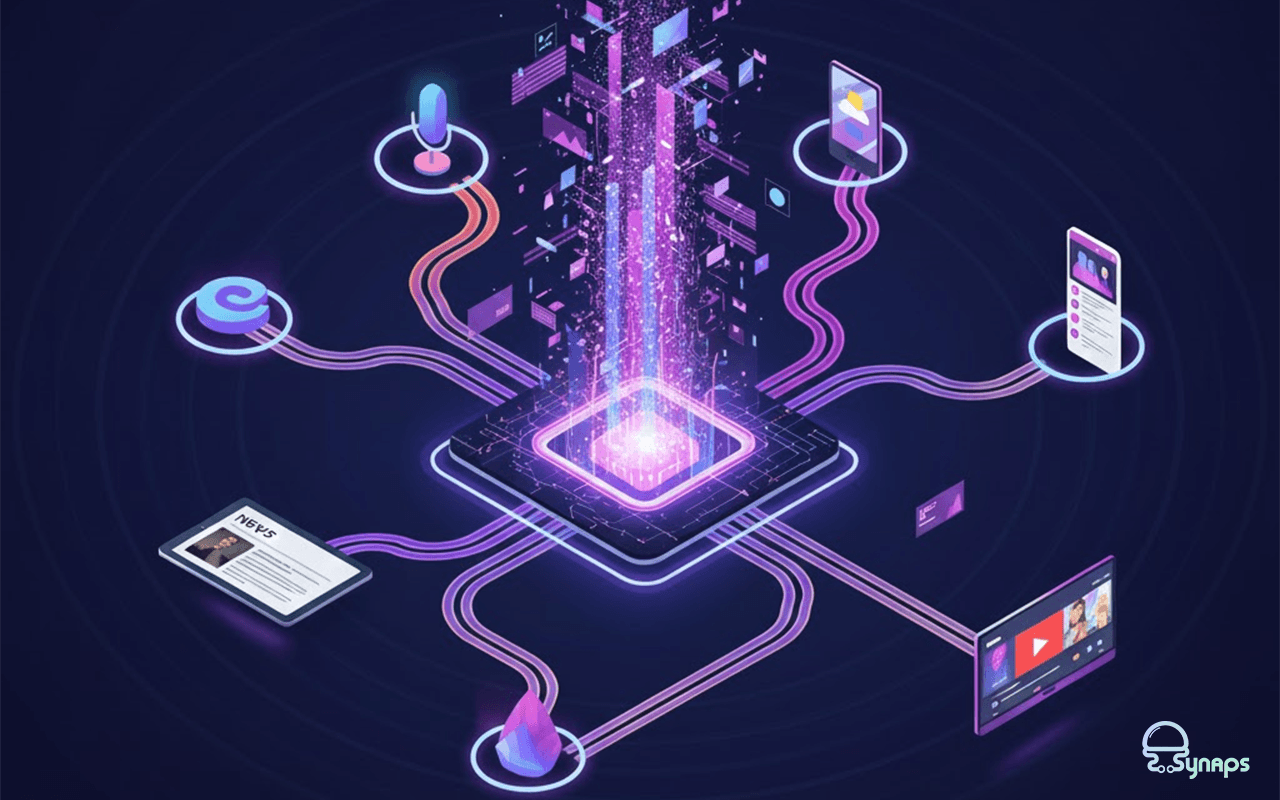
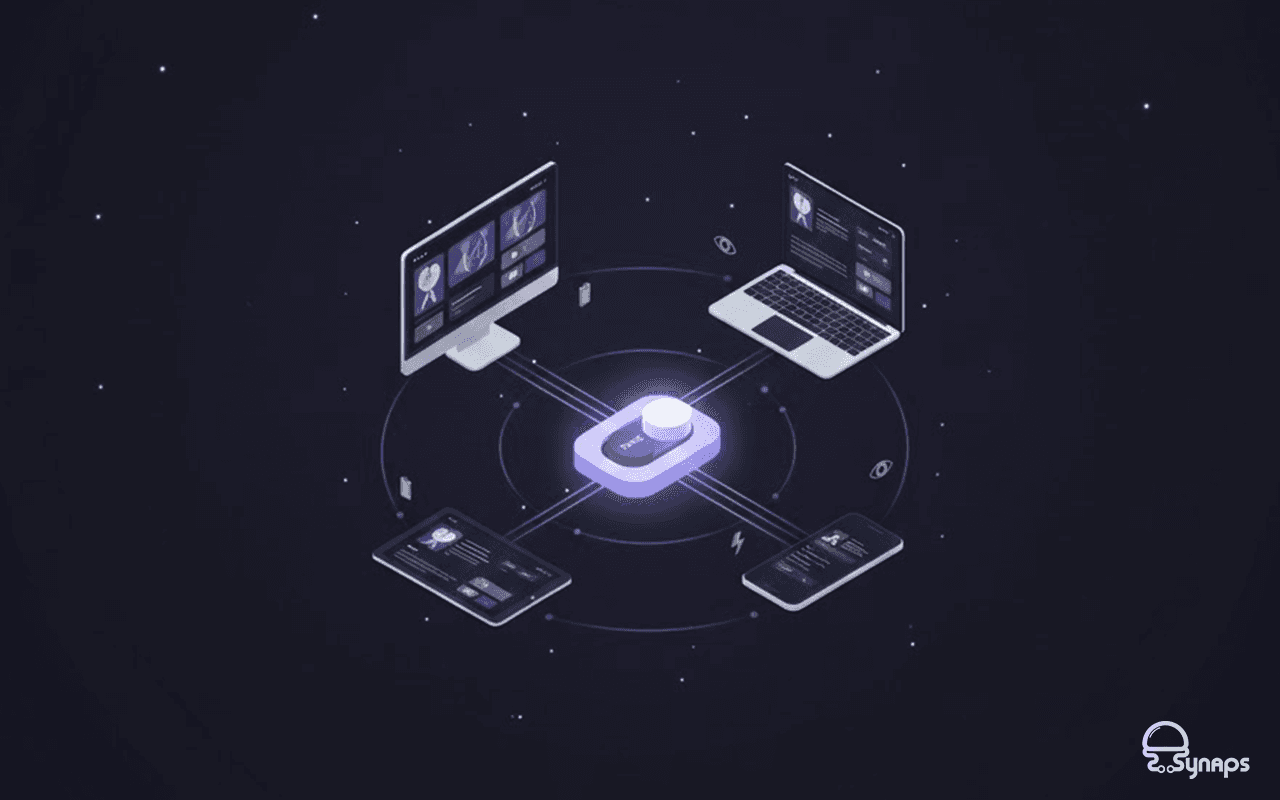
In an increasingly fragmented digital landscape; where users expect seamless experiences across web, mobile, apps, kiosks, even wearables; businesses building digital solutions find themselves at a crossroads: stick with traditional monolithic content systems or adopt a more flexible, future‑proof structure. That’s where headless architecture enters as a game changer. Unlike conventional systems that link content management and presentation tightly together, headless architecture separates content (back end) from how it’s displayed or consumed (front end). This decoupling gives teams the freedom to deliver content and functionalities across multiple platforms; a website today, a mobile app tomorrow, even voice assistants or IoT interfaces later; all from the same backend foundation.
The benefits for businesses are significant. First, performance improves drastically when content is served via APIs to a lightweight front-end built with modern frameworks. Faster load times and smoother user experience translate into better engagement, lower bounce rates, and stronger SEO — critical factors when digital presence directly impacts conversion and retention. When a solution architecture allows developers to optimize front ends independently, you avoid the limitations and bloat often inherent in legacy content-management systems.
Second, headless architecture supports scalability and adaptability. As companies grow, expand internationally, or launch new digital channels, the same backend can serve multiple front ends without massive rework or duplication. This modularity reduces development overhead and time-to-market, especially useful for businesses operating in multiple regions or targeting different platforms simultaneously. It also simplifies maintenance: updates or redesigns on the front end no longer require touching the content back end, making the system more robust and less error-prone.
Third, headless architecture empowers cross-functional collaboration. Content editors and marketers can manage content independently using a CMS, while developers build frontend experiences using their preferred tools and frameworks. This parallel workflow increases productivity and innovation speed; teams don’t block each other, and marketing doesn’t need to wait for engineering to publish content. For businesses, this means faster iteration cycles, more freedom to test and refine user experience, and lower friction when aligning product, marketing, and design efforts.
The decoupled system also makes digital solutions future‑proof. As new devices emerge (smart wearables, voice assistants, IoT devices) or as user habits shift, businesses using headless architecture can adapt quickly; they just need to build or adjust the front end, while the backend content repository remains intact. This flexibility lowers long-term risk and investment, because companies don't need to rebuild entire systems when technology evolves or new distribution channels appear.
Of course, adopting headless architecture comes with challenges. Without a built-in presentation layer, teams must build or maintain front ends; which can mean more initial effort and require skilled frontend developers and good coordination. But for businesses willing to invest upfront, the long-term benefits in agility, performance, and scalability often outweigh the costs.
Given how consumers increasingly expect fast, consistent, omnichannel experiences; across devices and contexts; headless architecture isn’t just a technical choice. It’s a strategic decision. Companies that embrace it are better positioned to respond to changing user behavior, scale globally, and maintain flexibility as digital needs evolve. In a world where being digital-first is non-negotiable, headless architecture provides a sturdy, adaptable foundation for growth.
In an increasingly fragmented digital landscape; where users expect seamless experiences across web, mobile, apps, kiosks, even wearables; businesses building digital solutions find themselves at a crossroads: stick with traditional monolithic content systems or adopt a more flexible, future‑proof structure. That’s where headless architecture enters as a game changer. Unlike conventional systems that link content management and presentation tightly together, headless architecture separates content (back end) from how it’s displayed or consumed (front end). This decoupling gives teams the freedom to deliver content and functionalities across multiple platforms; a website today, a mobile app tomorrow, even voice assistants or IoT interfaces later; all from the same backend foundation.
The benefits for businesses are significant. First, performance improves drastically when content is served via APIs to a lightweight front-end built with modern frameworks. Faster load times and smoother user experience translate into better engagement, lower bounce rates, and stronger SEO — critical factors when digital presence directly impacts conversion and retention. When a solution architecture allows developers to optimize front ends independently, you avoid the limitations and bloat often inherent in legacy content-management systems.
Second, headless architecture supports scalability and adaptability. As companies grow, expand internationally, or launch new digital channels, the same backend can serve multiple front ends without massive rework or duplication. This modularity reduces development overhead and time-to-market, especially useful for businesses operating in multiple regions or targeting different platforms simultaneously. It also simplifies maintenance: updates or redesigns on the front end no longer require touching the content back end, making the system more robust and less error-prone.
Third, headless architecture empowers cross-functional collaboration. Content editors and marketers can manage content independently using a CMS, while developers build frontend experiences using their preferred tools and frameworks. This parallel workflow increases productivity and innovation speed; teams don’t block each other, and marketing doesn’t need to wait for engineering to publish content. For businesses, this means faster iteration cycles, more freedom to test and refine user experience, and lower friction when aligning product, marketing, and design efforts.
The decoupled system also makes digital solutions future‑proof. As new devices emerge (smart wearables, voice assistants, IoT devices) or as user habits shift, businesses using headless architecture can adapt quickly; they just need to build or adjust the front end, while the backend content repository remains intact. This flexibility lowers long-term risk and investment, because companies don't need to rebuild entire systems when technology evolves or new distribution channels appear.
Of course, adopting headless architecture comes with challenges. Without a built-in presentation layer, teams must build or maintain front ends; which can mean more initial effort and require skilled frontend developers and good coordination. But for businesses willing to invest upfront, the long-term benefits in agility, performance, and scalability often outweigh the costs.
Given how consumers increasingly expect fast, consistent, omnichannel experiences; across devices and contexts; headless architecture isn’t just a technical choice. It’s a strategic decision. Companies that embrace it are better positioned to respond to changing user behavior, scale globally, and maintain flexibility as digital needs evolve. In a world where being digital-first is non-negotiable, headless architecture provides a sturdy, adaptable foundation for growth.
In an increasingly fragmented digital landscape; where users expect seamless experiences across web, mobile, apps, kiosks, even wearables; businesses building digital solutions find themselves at a crossroads: stick with traditional monolithic content systems or adopt a more flexible, future‑proof structure. That’s where headless architecture enters as a game changer. Unlike conventional systems that link content management and presentation tightly together, headless architecture separates content (back end) from how it’s displayed or consumed (front end). This decoupling gives teams the freedom to deliver content and functionalities across multiple platforms; a website today, a mobile app tomorrow, even voice assistants or IoT interfaces later; all from the same backend foundation.
The benefits for businesses are significant. First, performance improves drastically when content is served via APIs to a lightweight front-end built with modern frameworks. Faster load times and smoother user experience translate into better engagement, lower bounce rates, and stronger SEO — critical factors when digital presence directly impacts conversion and retention. When a solution architecture allows developers to optimize front ends independently, you avoid the limitations and bloat often inherent in legacy content-management systems.
Second, headless architecture supports scalability and adaptability. As companies grow, expand internationally, or launch new digital channels, the same backend can serve multiple front ends without massive rework or duplication. This modularity reduces development overhead and time-to-market, especially useful for businesses operating in multiple regions or targeting different platforms simultaneously. It also simplifies maintenance: updates or redesigns on the front end no longer require touching the content back end, making the system more robust and less error-prone.
Third, headless architecture empowers cross-functional collaboration. Content editors and marketers can manage content independently using a CMS, while developers build frontend experiences using their preferred tools and frameworks. This parallel workflow increases productivity and innovation speed; teams don’t block each other, and marketing doesn’t need to wait for engineering to publish content. For businesses, this means faster iteration cycles, more freedom to test and refine user experience, and lower friction when aligning product, marketing, and design efforts.
The decoupled system also makes digital solutions future‑proof. As new devices emerge (smart wearables, voice assistants, IoT devices) or as user habits shift, businesses using headless architecture can adapt quickly; they just need to build or adjust the front end, while the backend content repository remains intact. This flexibility lowers long-term risk and investment, because companies don't need to rebuild entire systems when technology evolves or new distribution channels appear.
Of course, adopting headless architecture comes with challenges. Without a built-in presentation layer, teams must build or maintain front ends; which can mean more initial effort and require skilled frontend developers and good coordination. But for businesses willing to invest upfront, the long-term benefits in agility, performance, and scalability often outweigh the costs.
Given how consumers increasingly expect fast, consistent, omnichannel experiences; across devices and contexts; headless architecture isn’t just a technical choice. It’s a strategic decision. Companies that embrace it are better positioned to respond to changing user behavior, scale globally, and maintain flexibility as digital needs evolve. In a world where being digital-first is non-negotiable, headless architecture provides a sturdy, adaptable foundation for growth.