Adaptive Dark Mode and Energy‑Efficient Web Design: Beyond Aesthetic, Toward Sustainability and Usability
Exploring how magical realism reshaped storytelling, blending fantasy with the ordinary.
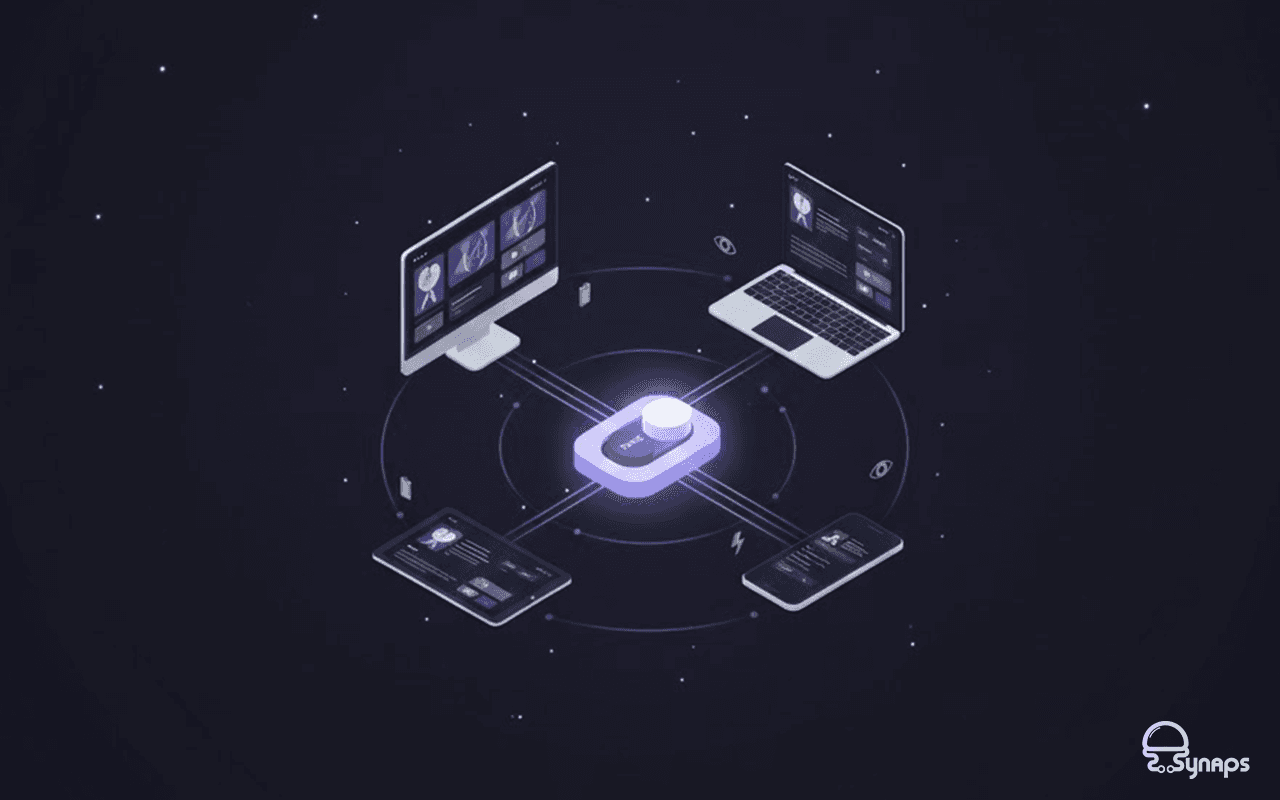
As web design evolves, a growing niche is gaining traction: adaptive dark mode combined with energy‑efficient design. What began as a stylish option for night‑time browsing has become a core principle for many forward-thinking websites, driven by a mix of user comfort, accessibility demands, performance optimization, and environmental awareness. Dark mode reduces eye strain in low-light conditions and improves readability for many users, but the newer wave of “adaptive dark mode” goes further by dynamically responding to user context or device settings, offering seamless transitions and ensuring readability across situations.
Alongside dark mode, energy-efficient design considers factors like image compression, lazy loading, optimized code, and lighter resource use. These practices reduce battery drain on devices and lower data usage, which is especially critical for mobile-first users or those in bandwidth-constrained environments. Businesses that adopt these practices benefit not only from better user experience but also from operational advantages: leaner websites tend to cost less to maintain and deliver faster performance across different devices and networks.
For companies, the impact is measurable. Faster page loads and smoother performance lead to higher user retention, lower bounce rates, and improved search engine rankings. Users who experience comfortable and responsive interfaces are more likely to engage with the brand, share content, and convert into loyal customers. Furthermore, incorporating energy-efficient design signals corporate responsibility in sustainability, appealing to environmentally conscious audiences who increasingly prioritize companies that care about digital and environmental efficiency.
Implementing adaptive dark mode and energy-efficient design does require thoughtful planning. Developers and designers need to select scalable typography and color schemes that maintain sufficient contrast in both light and dark modes. UI components must remain accessible, animations should be smooth without taxing device resources, and all media and scripts should be optimized to minimize load times. Despite the upfront effort, the payoff is substantial: a website that is inclusive, performant, visually appealing, and environmentally considerate.
In a digital ecosystem where speed, accessibility, usability, and sustainability are increasingly intertwined, adaptive dark mode and energy-efficient web design represent a subtle yet transformative evolution. By prioritizing user comfort and environmental impact, businesses not only enhance the experience of their visitors but also build long-term trust and loyalty. The future of web design lies in creating interfaces that are as considerate as they are beautiful, seamlessly balancing form, function, and responsibility.
As web design evolves, a growing niche is gaining traction: adaptive dark mode combined with energy‑efficient design. What began as a stylish option for night‑time browsing has become a core principle for many forward-thinking websites, driven by a mix of user comfort, accessibility demands, performance optimization, and environmental awareness. Dark mode reduces eye strain in low-light conditions and improves readability for many users, but the newer wave of “adaptive dark mode” goes further by dynamically responding to user context or device settings, offering seamless transitions and ensuring readability across situations.
Alongside dark mode, energy-efficient design considers factors like image compression, lazy loading, optimized code, and lighter resource use. These practices reduce battery drain on devices and lower data usage, which is especially critical for mobile-first users or those in bandwidth-constrained environments. Businesses that adopt these practices benefit not only from better user experience but also from operational advantages: leaner websites tend to cost less to maintain and deliver faster performance across different devices and networks.
For companies, the impact is measurable. Faster page loads and smoother performance lead to higher user retention, lower bounce rates, and improved search engine rankings. Users who experience comfortable and responsive interfaces are more likely to engage with the brand, share content, and convert into loyal customers. Furthermore, incorporating energy-efficient design signals corporate responsibility in sustainability, appealing to environmentally conscious audiences who increasingly prioritize companies that care about digital and environmental efficiency.
Implementing adaptive dark mode and energy-efficient design does require thoughtful planning. Developers and designers need to select scalable typography and color schemes that maintain sufficient contrast in both light and dark modes. UI components must remain accessible, animations should be smooth without taxing device resources, and all media and scripts should be optimized to minimize load times. Despite the upfront effort, the payoff is substantial: a website that is inclusive, performant, visually appealing, and environmentally considerate.
In a digital ecosystem where speed, accessibility, usability, and sustainability are increasingly intertwined, adaptive dark mode and energy-efficient web design represent a subtle yet transformative evolution. By prioritizing user comfort and environmental impact, businesses not only enhance the experience of their visitors but also build long-term trust and loyalty. The future of web design lies in creating interfaces that are as considerate as they are beautiful, seamlessly balancing form, function, and responsibility.
As web design evolves, a growing niche is gaining traction: adaptive dark mode combined with energy‑efficient design. What began as a stylish option for night‑time browsing has become a core principle for many forward-thinking websites, driven by a mix of user comfort, accessibility demands, performance optimization, and environmental awareness. Dark mode reduces eye strain in low-light conditions and improves readability for many users, but the newer wave of “adaptive dark mode” goes further by dynamically responding to user context or device settings, offering seamless transitions and ensuring readability across situations.
Alongside dark mode, energy-efficient design considers factors like image compression, lazy loading, optimized code, and lighter resource use. These practices reduce battery drain on devices and lower data usage, which is especially critical for mobile-first users or those in bandwidth-constrained environments. Businesses that adopt these practices benefit not only from better user experience but also from operational advantages: leaner websites tend to cost less to maintain and deliver faster performance across different devices and networks.
For companies, the impact is measurable. Faster page loads and smoother performance lead to higher user retention, lower bounce rates, and improved search engine rankings. Users who experience comfortable and responsive interfaces are more likely to engage with the brand, share content, and convert into loyal customers. Furthermore, incorporating energy-efficient design signals corporate responsibility in sustainability, appealing to environmentally conscious audiences who increasingly prioritize companies that care about digital and environmental efficiency.
Implementing adaptive dark mode and energy-efficient design does require thoughtful planning. Developers and designers need to select scalable typography and color schemes that maintain sufficient contrast in both light and dark modes. UI components must remain accessible, animations should be smooth without taxing device resources, and all media and scripts should be optimized to minimize load times. Despite the upfront effort, the payoff is substantial: a website that is inclusive, performant, visually appealing, and environmentally considerate.
In a digital ecosystem where speed, accessibility, usability, and sustainability are increasingly intertwined, adaptive dark mode and energy-efficient web design represent a subtle yet transformative evolution. By prioritizing user comfort and environmental impact, businesses not only enhance the experience of their visitors but also build long-term trust and loyalty. The future of web design lies in creating interfaces that are as considerate as they are beautiful, seamlessly balancing form, function, and responsibility.