How Social Media Can Transform Your Business (And Why You Should Care)
Exploring how magical realism reshaped storytelling, blending fantasy with the ordinary.
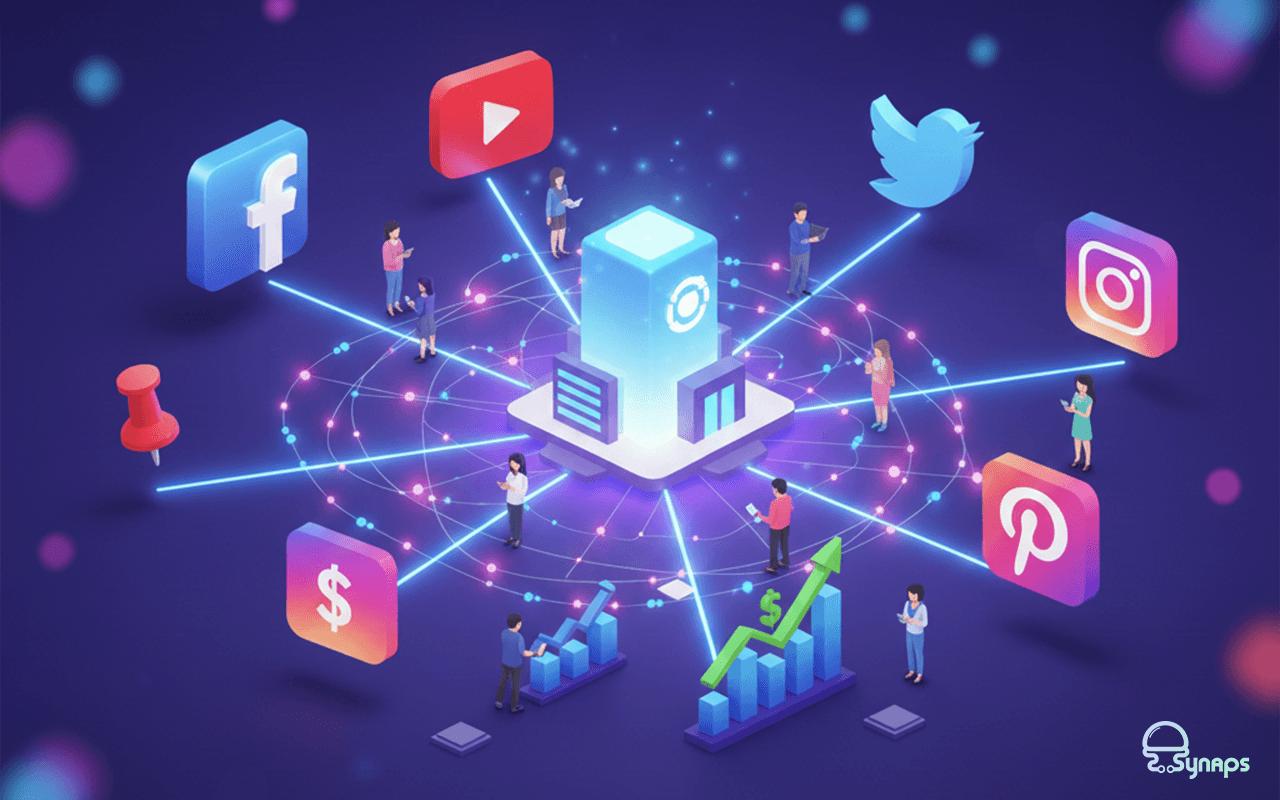
Social media has quietly become one of the most powerful forces shaping how a business is seen long before a customer ever visits a website, walks into a store, or makes a purchase. It acts as the first impression for many people, and because of that, it influences trust, credibility, and visibility in ways that traditional marketing can’t match. When someone encounters a brand online, their reaction is rarely neutral; they immediately form an opinion based on tone, visuals, consistency, and how the brand interacts with its audience. This is why companies that treat social platforms as a strategic extension of their identity tend to outperform those that treat it as a place to post updates occasionally.
A strong social presence allows a business to feel alive rather than static. Customers want proof that real people stand behind a brand, and regular interaction offers that reassurance. When a business thoughtfully responds to messages, shares insights, highlights behind-the-scenes moments, or joins conversations that matter to its audience, it feels more approachable. That approachability translates into trust, which gradually becomes loyalty. On the opposite end, a neglected or tone-deaf presence can create the sense that a company is out of touch or indifferent to its customers, even if the product or service itself is excellent.
Beyond reputation, social media also plays a significant role in shaping demand. People talk about what they enjoy, what they dislike, and what captures their attention. These conversations ripple outward, influencing purchasing decisions in subtle ways. A single customer post praising an experience or sharing a positive review often carries more weight than a polished advertisement, because audiences naturally trust people more than marketing language. Businesses that understand this dynamic lean into community building rather than relying solely on promotional content. They create spaces where customers feel comfortable sharing their experiences and where the brand becomes part of their everyday conversations instead of a distant company shouting into the void.
Social platforms also give businesses something that used to be incredibly difficult to obtain: direct insight into audience behavior. Every reaction, share, and comment is a clue about what people value or ignore. This becomes especially powerful when businesses treat social media as a real-time feedback loop. Instead of guessing what resonates, they can observe it directly and adjust their messaging, offers, or products accordingly. Over time, this leads to sharper decision-making and a clearer understanding of who their audience is and what they truly care about.
But perhaps the most far-reaching impact of social media is its ability to level the playing field. Small businesses, startups, and independent creators now have the opportunity to compete alongside established companies with larger budgets. A single meaningful idea, a compelling story, or a clever campaign can travel farther than any traditional advertisement ever could, sometimes with nothing more than creativity behind it. This shift has allowed countless businesses to grow not through expensive marketing plans, but by connecting authentically with the people they serve.
What many businesses overlook, however, is that social media influence doesn’t stop at branding or engagement. It affects hiring, partnerships, and even investor perception. A well-managed presence signals competence, adaptability, and a modern way of thinking. Partners and collaborators often evaluate a company’s online footprint before reaching out, and a strong one can open doors that might otherwise remain closed.
In the end, social media impacts a business not because of how often it posts, but because of how intentionally it communicates. It shapes reputation, sparks conversations, builds trust, reveals audience behavior, and expands opportunities. When used thoughtfully, it becomes an engine for long-term growth rather than a chore on a marketing checklist. The businesses that treat it as a core part of their strategy—not an afterthought—discover that it can influence nearly every part of their success.
Social media has quietly become one of the most powerful forces shaping how a business is seen long before a customer ever visits a website, walks into a store, or makes a purchase. It acts as the first impression for many people, and because of that, it influences trust, credibility, and visibility in ways that traditional marketing can’t match. When someone encounters a brand online, their reaction is rarely neutral; they immediately form an opinion based on tone, visuals, consistency, and how the brand interacts with its audience. This is why companies that treat social platforms as a strategic extension of their identity tend to outperform those that treat it as a place to post updates occasionally.
A strong social presence allows a business to feel alive rather than static. Customers want proof that real people stand behind a brand, and regular interaction offers that reassurance. When a business thoughtfully responds to messages, shares insights, highlights behind-the-scenes moments, or joins conversations that matter to its audience, it feels more approachable. That approachability translates into trust, which gradually becomes loyalty. On the opposite end, a neglected or tone-deaf presence can create the sense that a company is out of touch or indifferent to its customers, even if the product or service itself is excellent.
Beyond reputation, social media also plays a significant role in shaping demand. People talk about what they enjoy, what they dislike, and what captures their attention. These conversations ripple outward, influencing purchasing decisions in subtle ways. A single customer post praising an experience or sharing a positive review often carries more weight than a polished advertisement, because audiences naturally trust people more than marketing language. Businesses that understand this dynamic lean into community building rather than relying solely on promotional content. They create spaces where customers feel comfortable sharing their experiences and where the brand becomes part of their everyday conversations instead of a distant company shouting into the void.
Social platforms also give businesses something that used to be incredibly difficult to obtain: direct insight into audience behavior. Every reaction, share, and comment is a clue about what people value or ignore. This becomes especially powerful when businesses treat social media as a real-time feedback loop. Instead of guessing what resonates, they can observe it directly and adjust their messaging, offers, or products accordingly. Over time, this leads to sharper decision-making and a clearer understanding of who their audience is and what they truly care about.
But perhaps the most far-reaching impact of social media is its ability to level the playing field. Small businesses, startups, and independent creators now have the opportunity to compete alongside established companies with larger budgets. A single meaningful idea, a compelling story, or a clever campaign can travel farther than any traditional advertisement ever could, sometimes with nothing more than creativity behind it. This shift has allowed countless businesses to grow not through expensive marketing plans, but by connecting authentically with the people they serve.
What many businesses overlook, however, is that social media influence doesn’t stop at branding or engagement. It affects hiring, partnerships, and even investor perception. A well-managed presence signals competence, adaptability, and a modern way of thinking. Partners and collaborators often evaluate a company’s online footprint before reaching out, and a strong one can open doors that might otherwise remain closed.
In the end, social media impacts a business not because of how often it posts, but because of how intentionally it communicates. It shapes reputation, sparks conversations, builds trust, reveals audience behavior, and expands opportunities. When used thoughtfully, it becomes an engine for long-term growth rather than a chore on a marketing checklist. The businesses that treat it as a core part of their strategy—not an afterthought—discover that it can influence nearly every part of their success.
Social media has quietly become one of the most powerful forces shaping how a business is seen long before a customer ever visits a website, walks into a store, or makes a purchase. It acts as the first impression for many people, and because of that, it influences trust, credibility, and visibility in ways that traditional marketing can’t match. When someone encounters a brand online, their reaction is rarely neutral; they immediately form an opinion based on tone, visuals, consistency, and how the brand interacts with its audience. This is why companies that treat social platforms as a strategic extension of their identity tend to outperform those that treat it as a place to post updates occasionally.
A strong social presence allows a business to feel alive rather than static. Customers want proof that real people stand behind a brand, and regular interaction offers that reassurance. When a business thoughtfully responds to messages, shares insights, highlights behind-the-scenes moments, or joins conversations that matter to its audience, it feels more approachable. That approachability translates into trust, which gradually becomes loyalty. On the opposite end, a neglected or tone-deaf presence can create the sense that a company is out of touch or indifferent to its customers, even if the product or service itself is excellent.
Beyond reputation, social media also plays a significant role in shaping demand. People talk about what they enjoy, what they dislike, and what captures their attention. These conversations ripple outward, influencing purchasing decisions in subtle ways. A single customer post praising an experience or sharing a positive review often carries more weight than a polished advertisement, because audiences naturally trust people more than marketing language. Businesses that understand this dynamic lean into community building rather than relying solely on promotional content. They create spaces where customers feel comfortable sharing their experiences and where the brand becomes part of their everyday conversations instead of a distant company shouting into the void.
Social platforms also give businesses something that used to be incredibly difficult to obtain: direct insight into audience behavior. Every reaction, share, and comment is a clue about what people value or ignore. This becomes especially powerful when businesses treat social media as a real-time feedback loop. Instead of guessing what resonates, they can observe it directly and adjust their messaging, offers, or products accordingly. Over time, this leads to sharper decision-making and a clearer understanding of who their audience is and what they truly care about.
But perhaps the most far-reaching impact of social media is its ability to level the playing field. Small businesses, startups, and independent creators now have the opportunity to compete alongside established companies with larger budgets. A single meaningful idea, a compelling story, or a clever campaign can travel farther than any traditional advertisement ever could, sometimes with nothing more than creativity behind it. This shift has allowed countless businesses to grow not through expensive marketing plans, but by connecting authentically with the people they serve.
What many businesses overlook, however, is that social media influence doesn’t stop at branding or engagement. It affects hiring, partnerships, and even investor perception. A well-managed presence signals competence, adaptability, and a modern way of thinking. Partners and collaborators often evaluate a company’s online footprint before reaching out, and a strong one can open doors that might otherwise remain closed.
In the end, social media impacts a business not because of how often it posts, but because of how intentionally it communicates. It shapes reputation, sparks conversations, builds trust, reveals audience behavior, and expands opportunities. When used thoughtfully, it becomes an engine for long-term growth rather than a chore on a marketing checklist. The businesses that treat it as a core part of their strategy—not an afterthought—discover that it can influence nearly every part of their success.