Bold Minimalism Meets Kinetic Typography: The Next Wave for Dynamic Branding and Visual Impact
Exploring how magical realism reshaped storytelling, blending fantasy with the ordinary.
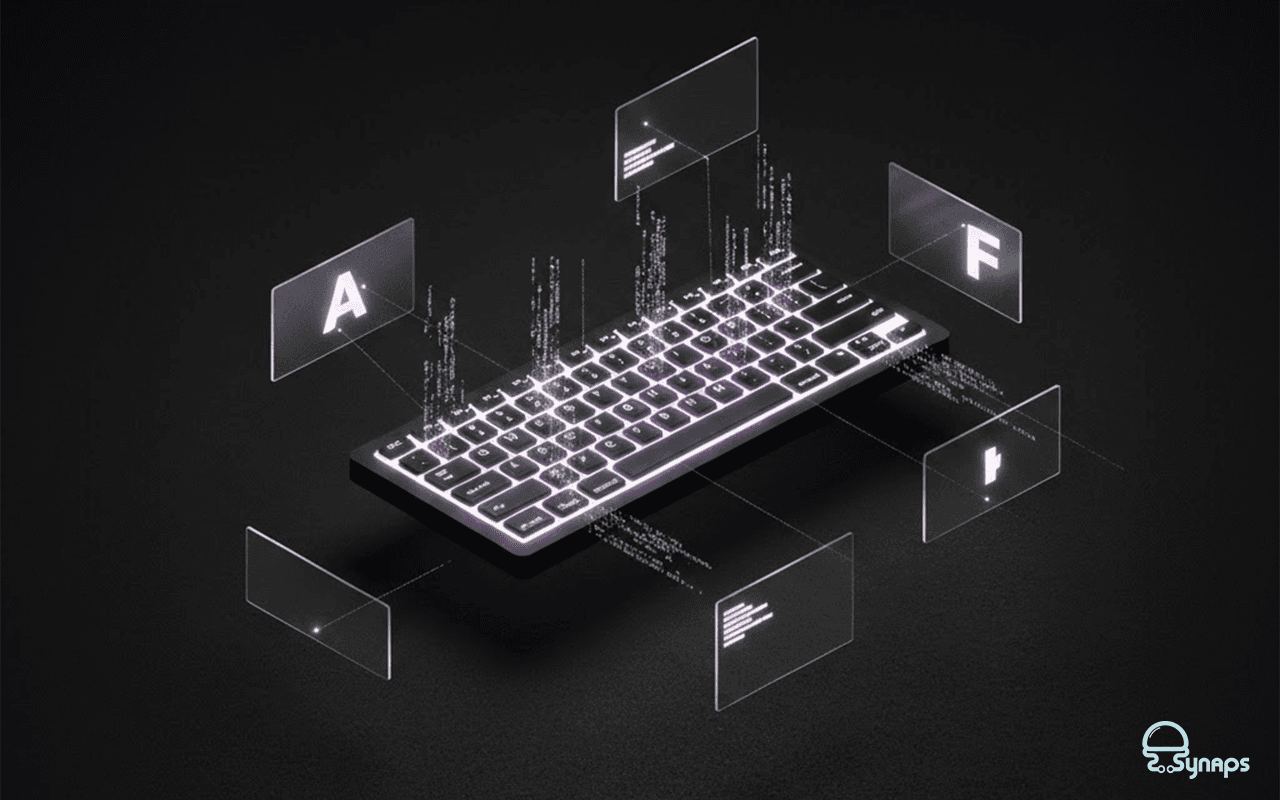
In the realm of graphic design, a compelling niche gaining momentum transcends both minimalism and maximalism: the combination of bold minimalism with kinetic typography. Bold minimalism focuses on stripping design down to its essential elements; strong typography, clear structure, and intentional use of color or negative space; but does so with confidence and impact, rather than restraint. When paired with kinetic typography, which incorporates animation or interactivity into text elements, the result is a dynamic visual identity that feels alive rather than static.
For brands, this hybrid style offers multiple advantages. Bold minimalism ensures clarity and readability, allowing messages to stand out cleanly without clutter or distraction. Kinetic typography introduces motion, rhythm, and energy to communication. Animated text can react to user interactions, appear sequentially, or transform to convey tone and emotion, creating a more engaging experience than static layouts alone. This combination is particularly powerful in the digital age, where attention spans are short, and interactive experiences resonate more deeply with audiences.
Implementing bold minimalism with kinetic typography requires careful planning. Designers must choose typefaces that remain legible when animated and layouts that accommodate movement without breaking composition. Accessibility considerations are critical: motion should not disorient users, and fallback static versions should be provided for assistive technologies. Attention to detail in timing, pacing, and interaction design ensures that animation enhances communication rather than distracting from it.
Brands that adopt this approach benefit from a visual language that communicates both simplicity and sophistication. The bold, minimal aesthetic conveys confidence and clarity, while kinetic typography adds a sense of modernity, responsiveness, and human touch. Across digital ads, social media content, motion graphics, and web interfaces, this style strengthens brand recognition, differentiates from competitors, and delivers messages with energy and precision.
The combination of bold minimalism and kinetic typography reflects a broader trend in modern branding: creating designs that are not only visually striking but also functional, interactive, and memorable. It allows brands to communicate complex messages with simplicity, grab attention in crowded digital spaces, and foster emotional engagement. For businesses seeking to make a lasting impression in the digital realm, this niche design approach offers both clarity and vitality, merging aesthetics with strategic communication.
In the realm of graphic design, a compelling niche gaining momentum transcends both minimalism and maximalism: the combination of bold minimalism with kinetic typography. Bold minimalism focuses on stripping design down to its essential elements; strong typography, clear structure, and intentional use of color or negative space; but does so with confidence and impact, rather than restraint. When paired with kinetic typography, which incorporates animation or interactivity into text elements, the result is a dynamic visual identity that feels alive rather than static.
For brands, this hybrid style offers multiple advantages. Bold minimalism ensures clarity and readability, allowing messages to stand out cleanly without clutter or distraction. Kinetic typography introduces motion, rhythm, and energy to communication. Animated text can react to user interactions, appear sequentially, or transform to convey tone and emotion, creating a more engaging experience than static layouts alone. This combination is particularly powerful in the digital age, where attention spans are short, and interactive experiences resonate more deeply with audiences.
Implementing bold minimalism with kinetic typography requires careful planning. Designers must choose typefaces that remain legible when animated and layouts that accommodate movement without breaking composition. Accessibility considerations are critical: motion should not disorient users, and fallback static versions should be provided for assistive technologies. Attention to detail in timing, pacing, and interaction design ensures that animation enhances communication rather than distracting from it.
Brands that adopt this approach benefit from a visual language that communicates both simplicity and sophistication. The bold, minimal aesthetic conveys confidence and clarity, while kinetic typography adds a sense of modernity, responsiveness, and human touch. Across digital ads, social media content, motion graphics, and web interfaces, this style strengthens brand recognition, differentiates from competitors, and delivers messages with energy and precision.
The combination of bold minimalism and kinetic typography reflects a broader trend in modern branding: creating designs that are not only visually striking but also functional, interactive, and memorable. It allows brands to communicate complex messages with simplicity, grab attention in crowded digital spaces, and foster emotional engagement. For businesses seeking to make a lasting impression in the digital realm, this niche design approach offers both clarity and vitality, merging aesthetics with strategic communication.
In the realm of graphic design, a compelling niche gaining momentum transcends both minimalism and maximalism: the combination of bold minimalism with kinetic typography. Bold minimalism focuses on stripping design down to its essential elements; strong typography, clear structure, and intentional use of color or negative space; but does so with confidence and impact, rather than restraint. When paired with kinetic typography, which incorporates animation or interactivity into text elements, the result is a dynamic visual identity that feels alive rather than static.
For brands, this hybrid style offers multiple advantages. Bold minimalism ensures clarity and readability, allowing messages to stand out cleanly without clutter or distraction. Kinetic typography introduces motion, rhythm, and energy to communication. Animated text can react to user interactions, appear sequentially, or transform to convey tone and emotion, creating a more engaging experience than static layouts alone. This combination is particularly powerful in the digital age, where attention spans are short, and interactive experiences resonate more deeply with audiences.
Implementing bold minimalism with kinetic typography requires careful planning. Designers must choose typefaces that remain legible when animated and layouts that accommodate movement without breaking composition. Accessibility considerations are critical: motion should not disorient users, and fallback static versions should be provided for assistive technologies. Attention to detail in timing, pacing, and interaction design ensures that animation enhances communication rather than distracting from it.
Brands that adopt this approach benefit from a visual language that communicates both simplicity and sophistication. The bold, minimal aesthetic conveys confidence and clarity, while kinetic typography adds a sense of modernity, responsiveness, and human touch. Across digital ads, social media content, motion graphics, and web interfaces, this style strengthens brand recognition, differentiates from competitors, and delivers messages with energy and precision.
The combination of bold minimalism and kinetic typography reflects a broader trend in modern branding: creating designs that are not only visually striking but also functional, interactive, and memorable. It allows brands to communicate complex messages with simplicity, grab attention in crowded digital spaces, and foster emotional engagement. For businesses seeking to make a lasting impression in the digital realm, this niche design approach offers both clarity and vitality, merging aesthetics with strategic communication.